Understanding False & Nuisance Alerts
What is a false alert?
The system does not work as intended and gives an unexpected alert.
A false alert inaccurately interprets the surroundings and issues a warning when no actual hazard or unsafe condition exists. For example: a forward collision warning that activates on an overhead bridge instead of a vehicle.
What is a nuisance alert?
The system is working correctly, but the warning is unhelpful.
A nuisance alert detects a condition as it is supposed to, but given the real-world situation, the alert adds no value to the driver. For example: getting a blind spot warning when you have your turn signal on in a turning lane.
Examples
Here are a few examples.
Following Distance Alerts
False Alert
Curved Roads
On a curved road, the system may track a vehicle in an adjacent lane as the vehicle directly ahead and issue a close-following alert, even though you are maintaining a safe distance from the vehicle in your lane.
Nuisance Alert
Stop-and-Go Traffic
In stop-and-go traffic, close following distance alerts may occur frequently as vehicles travel close together or merge into the space ahead of you – even when you did not cause the close following distance.
Forward Collision Warnings
False Alert
Shadows
Shadows cast into the road by trees, overpasses, or other large objects can confuse the cameras and cause the system to react as if there is a physical hazard.
Nuisance Alert
Turning Vehicles
If a vehicle in front of you is slowly making a turn and you approach quickly – expecting the vehicle to clear your path – you may receive a forward collision warning even though you were attentive to the situation.
Speeding Alerts

False Alert
Sign Confusion
The system might incorrectly show the speed limit based on signs on other parallel roads such as service roads and express lanes or signs displaying minimum speed.
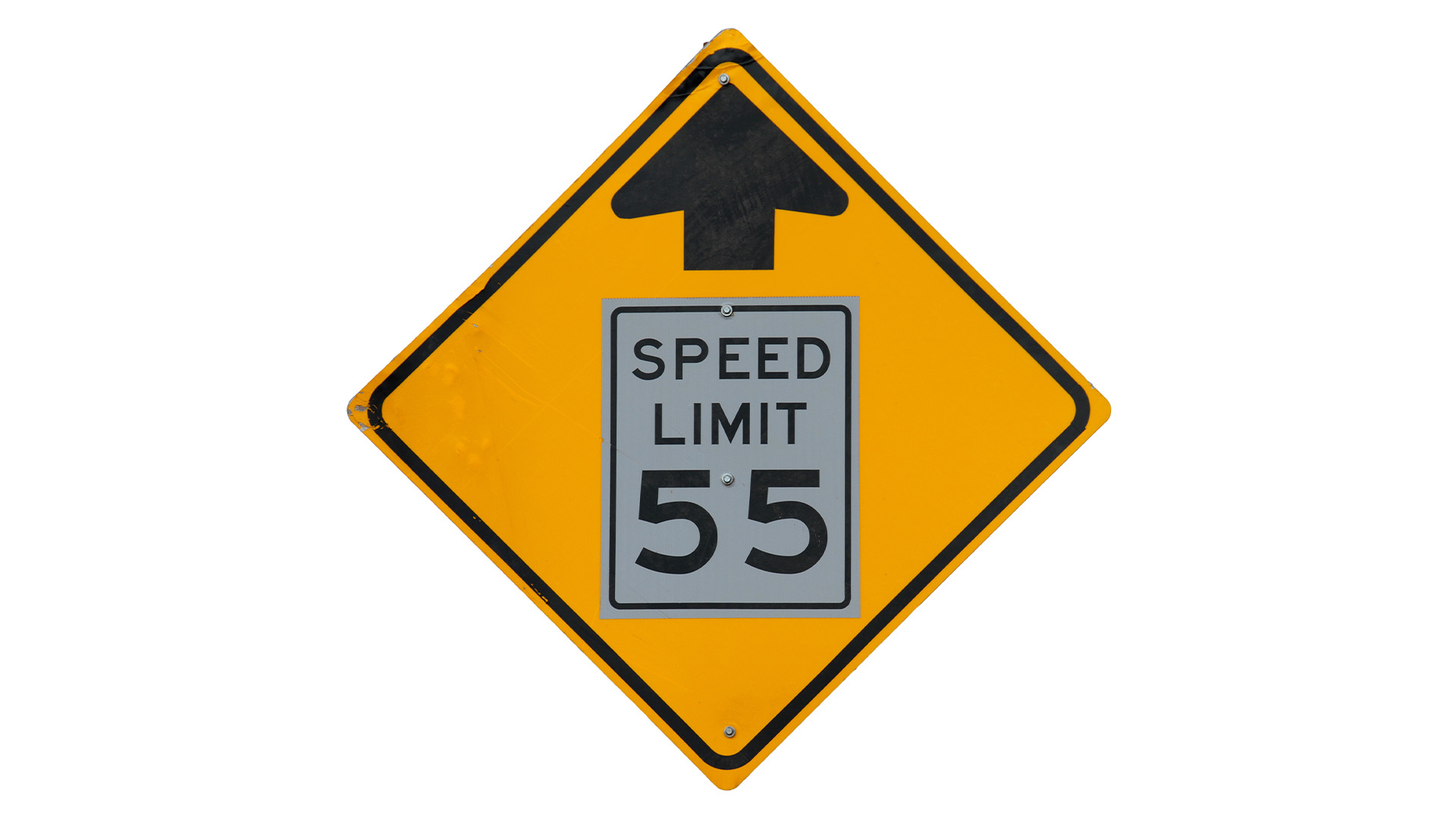
Nuisance Alert
Speed Limit Change
Sometimes the speed system correctly recognizes a lower speed limit and issues an alert while you are already trying to slow down to follow the change.
Lane Departure Warnings

False Alert
Road Repairs
Poorly painted lane lines, pavement seams, and faded lines can cause the system to issue a false lane-departure warning even though your truck is still within the lane.
Nuisance Alert
Construction Zones
Shifting lanes marked by cones or temporary markings where the old lane lines are still present can confuse the cameras. The system is correctly picking up the lane lines, but you know those are not the ones you should follow.
Blind Spot Warnings
False Alert
Multi-Lane Roads
On multi-lane roads, the system may identify and issue an alert for a vehicle or guardrail that is further than one lane away from you as you try to change lanes.

Nuisance Alert
Early Turn Signal
In situations where you see a vehicle quickly approaching to pass your truck, you may turn on your signal early while waiting for it to pass. The system may issue a blind spot warning because the vehicle is beside your truck, even though you do not intend to change lanes until the vehicle passes.
VTTI provides this information for general knowledge and education. However, VTTI does not guarantee the accuracy, completeness, or applicability of this information to any specific vehicle or situation. Drivers are strongly encouraged to consult their vehicle’s owner’s manual for detailed instructions and guidance on the proper use and functionality of these systems.